







Search Results for: Washed Process Comparison
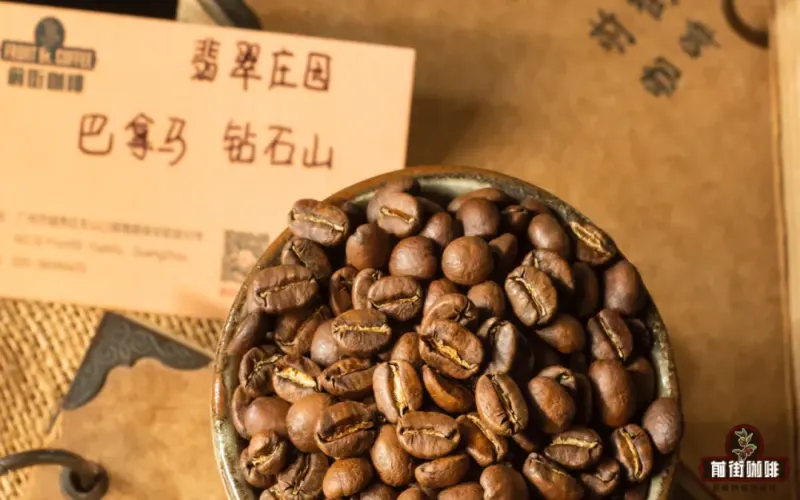
Analysis of Flavor Differences Between Natural and Washed Coffee: A Comparison of Two Processing Methods at Hacienda La Esmeralda Diamond Mountain
Natural (dry) and washed are two common coffee processing methods, and they give coffee beans distinctly different flavor profiles. Using Front Street Coffee's Hacienda La Esmeralda Diamond Mountain as an example, this article examines the processing flow, drying time, fermentation degree, and other angles to compare in detail the differences between natural and washed coffee in aroma, acidity, and mouthfeel, and explains the root causes of these differences. Whether you prefer the richly layered natural or the clean and fresh washed, this article will help you understand the essential differences between the two more clearly and find your own cup of good coffee. [more…]
Natural vs. Washed Processing Comparison: Yirgacheffe Flavor Differences, Brewing Parameters, and a Full Breakdown of the Washed Process
The flavor profile of coffee is often foreshadowed during the green bean processing stage. As the two most classic processing methods, natural and washed give coffee beans from the same region entirely different personalities. This article takes Front Street Yirgacheffe as an example to break down in detail the specific differences between natural and washed in brewing parameters, flavor performance, and dry aroma characteristics, and provides a complete introduction to the washed method's process flow and drying requirements. Whether you are a beginner just getting into pour-over or an enthusiast looking to refine your brewing technique, you will find practical reference information here. [more…]
Comparison of Coffee Processing Methods | What's the Difference Between Washed and Natural Beans? 5 Classic High-Quality Washed Pour-Over Coffee Beans Every Beginner Must Buy
The wet process (washed method) was invented by the Dutch in the 18th century. Because some countries often experience rain and high humidity, making it impossible to use the dry process, although the procedure is relatively more complicated, it is currently the most widely used [more…]
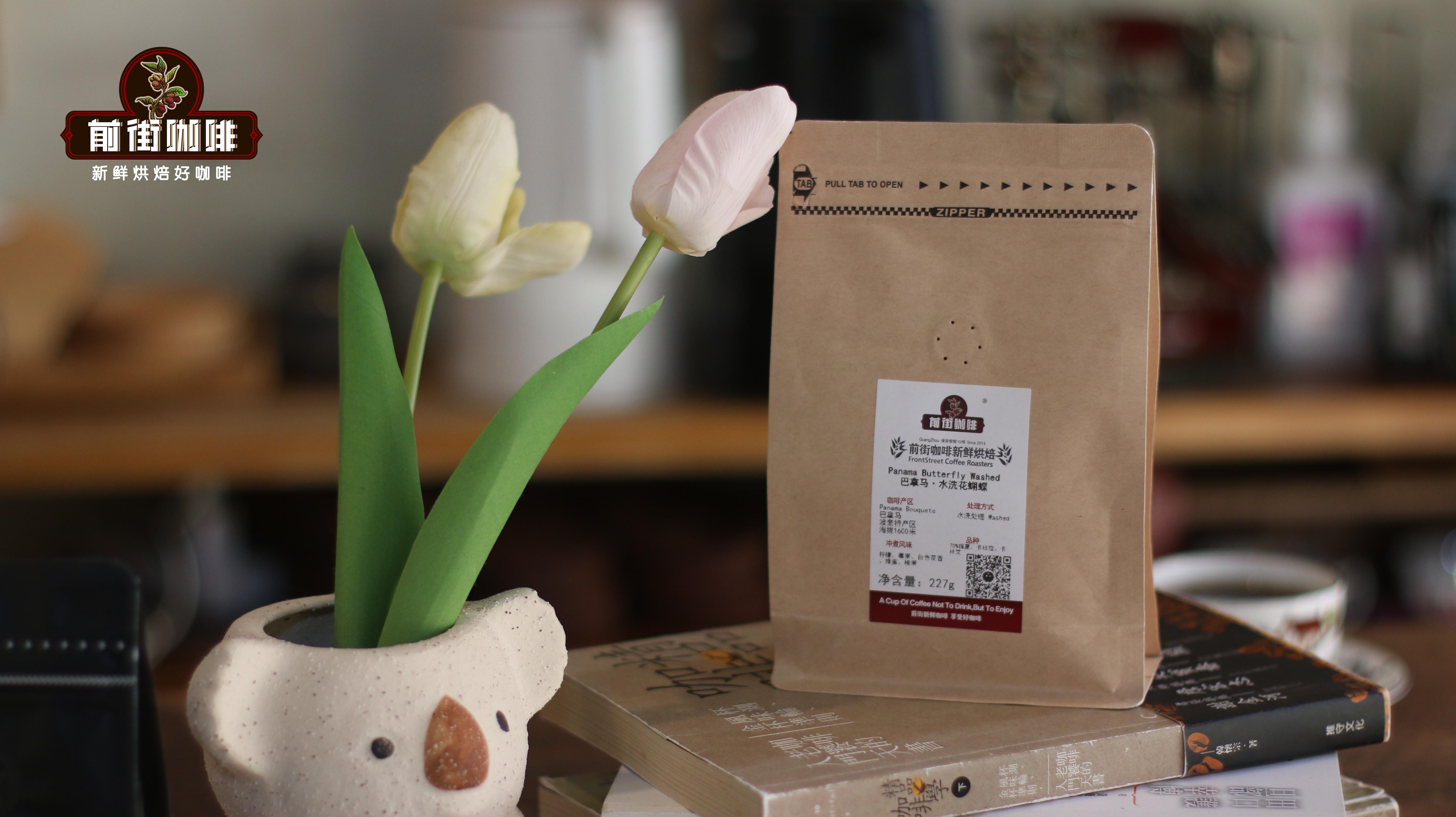
Analysis of the Differences Between Natural and Washed Coffee Bean Processing Methods: A Flavor Comparison of Two Gesha Blend Butterfly Varieties
The same coffee beans can present completely different flavor profiles simply because of different processing methods. This article takes Front Street Panama Boquete Butterfly, a Geisha blend, as an example, and analyzes it one by one from variety composition and regional characteristics to the principles and pros and cons of the two processing methods, natural and washed. Through an actual cupping comparison, Front Street Washed Butterfly shows a clean profile of white floral notes and black tea, while Front Street Natural Butterfly leans toward a rich style like tropical fruit red wine. If you are also wondering which is better, natural or washed coffee, or want to understand the ins and outs of Geisha blends, this article will provide you with a clear answer. [more…]
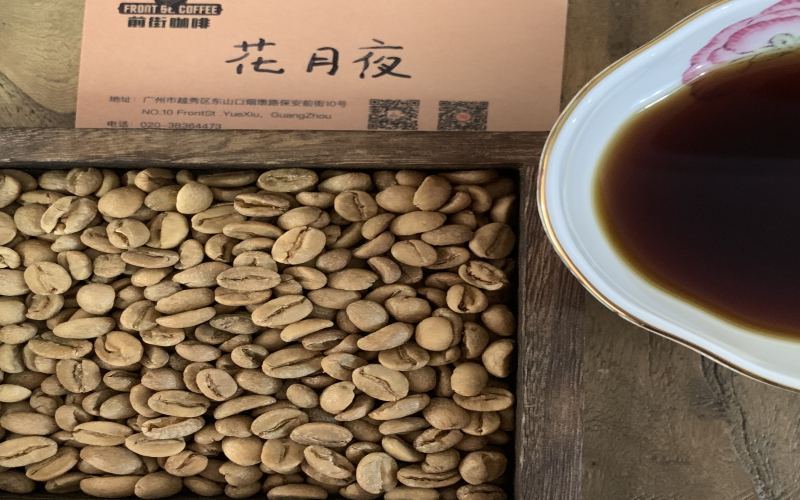
Colombia Flower Moon Night vs. Yirgacheffe Pour-Over Comparison: Flavor Differences Between Anaerobic Natural and Washed Processing
On Front Street Coffee's bean list, Colombia coffee and Yirgacheffe have always enjoyed great popularity, especially among enthusiasts who prefer sweet, fruity, and floral notes, who often find themselves torn between these two. This article uses Front Street Colombia Flower Moon Night and Front Street washed Yirgacheffe as examples to make a comparative analysis, from origin background and processing methods to actual brewing performance. Flower Moon Night uses anaerobic natural processing, bringing strawberry, jam, and a cocoa finish; Yirgacheffe, on the other hand, is a classic washed style, presenting citrus-lemon acidity, jasmine floral notes, and a tea-like body. Through this comparison, it helps you more clearly understand the flavor directions and selection choices of the two when brewing pour-over. [more…]
Comparison of the Two Major Coffee Green Bean Processing Methods: Analysis of the Step-by-Step Processes and Flavor Characteristics of the Natural Method and the Washed Method
The processing method of coffee cherries directly affects the flavor expression of green beans, and among these, the natural process and the washed process are the two most representative techniques. The natural process originated in the Arabian region over a thousand years ago, relying on natural drying to allow the fruit to slowly mature internally; the washed process was invented by the Dutch in the 18th century, using fermentation to remove the mucilage layer and thereby improve the bean's cleanliness. The two differ noticeably in operational steps, suitable environments, and final cupping performance, and understanding these differences helps in more accurately selecting and tasting coffee. This article will separately outline the complete processing flows of the natural process and the washed process, and explain the flavor characteristics each brings. [more…]

A Complete Guide to Natural and Washed Coffee Processing: Step-by-Step Procedures, Flavor Differences, and Green vs. Roasted Bean Comparison
When buying coffee beans, the packaging often indicates processing methods such as natural, washed, and honey. What exactly is the difference between natural and washed? Front Street Coffee takes you through the structure of the coffee fruit to explain in detail the specific steps, advantages and disadvantages, and flavor characteristics of the two processing methods. It also uses two Yirgacheffe coffees—Front Street Natural Red Cherry and Washed Gudingding—to compare the silver skin differences between green beans and roasted beans, and to analyze the fermented sweetness of natural beans and the bright cleanliness of washed beans. Only by understanding processing methods can you better choose the flavor you love. [more…]

Comparison of Washed and Natural Processing Methods for Kenyan Coffee: Flavor and Mouthfeel Differences, Plus an Analysis of Front Street Coffee's Little Tomato Bean
Kenyan coffee is renowned worldwide for its bright fruit notes and multi-layered mouthfeel, and the processing method is precisely the key that shapes its flavor profile. This article focuses on Front Street Kenya · Cherry Tomato coffee beans, first outlining the geography and climate of Kenya's producing regions along with the characteristics of the SL28 and SL34 varieties, then delving into the key points of the Kenyan-style 72-hour fermentation washed process (K72), and comparing it one by one with natural processing in terms of operational methods, drying duration, and flavor performance, helping coffee enthusiasts understand how the two processing methods impart vastly different aromas and tastes to coffee beans, while also retaining flavor references for natural beans such as Front Street Red Cherry, Hacienda La Esmeralda Red Label, and Gesha Village Gold Label. [more…]
Yirgacheffe Natural vs. Washed Flavor Differences Explained: A Comprehensive Comparison of Three Coffee Processing Methods
Yirgacheffe, as a star-producing region in specialty coffee, has long been a hot topic among coffee lovers: the flavor differences brought about by its two processing methods, natural (dry) and washed. Starting from Front Street Yirgacheffe, this article breaks down in detail the processes and flavor characteristics of the three major coffee processing methods—washed, natural (dry), and honey—and compares their respective grading systems and cup profiles, helping readers gain a deeper understanding of how different processing methods shape coffee's aroma, acidity, and body. Whether you are a beginner just starting out or a seasoned enthusiast, you can gain a clear cognitive framework from it. [more…]
Front Street Yirgacheffe Natural vs. Washed Flavor Comparison: A Detailed Guide to Aricha G1 and Blue Nile G1 Cup Profiles, Varieties, and Processing Methods
Yirgacheffe is one of Ethiopia's most representative specialty coffee regions, and the two processing methods—natural and washed—give the coffee beans entirely different flavor profiles. Front Street Natural Yirgacheffe Aricha G1 is known for its lively citrus-lemon acidity, apricot blossom and nut aromas, and honey-brown sugar sweetness, with a sweet-and-tart fruity tea finish; while Front Street Blue Nile G1 is washed, presenting a clean, lifted jasmine aroma and citrus acidity. This article will compare these two Yirgacheffes in detail from the perspectives of variety, processing method, and taste characteristics, and share the story behind the high Coffee Review cupping score, helping coffee lovers gain a deeper understanding of the stylistic differences between natural and washed coffees. [more…]
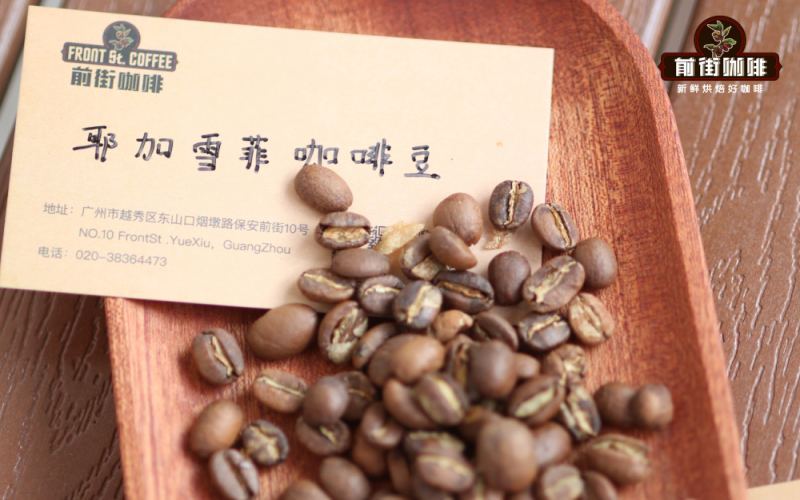
Yirgacheffe Washed vs. Natural Processing: Flavor Comparison, Pour-Over Parameters, and Coffee Bean Buying Guide
The Yirgacheffe region of Ethiopia is famous for its distinctive fruity and floral acidity, while the washed and natural processing methods give the coffee beans two completely different flavor directions. Washed Yirgacheffe has a clean, bright cup with lemon-citrus and jasmine notes; natural Yirgacheffe presents the fermented sweetness of ripe fruit and a fuller, juicier body. This article will start with the processing techniques, regional characteristics, and methods for identifying green and roasted beans, provide a detailed analysis of the flavor differences between the two processing methods, and include Front Street Coffee's three-stage pour-over parameters and a brewing comparison to help coffee lovers make a choice based on their personal preferences. [more…]

A Complete Analysis of the Flavor Differences Between Washed and Natural Coffee: A Comparative Tasting Guide for the Same Yirgacheffe
Sun-dried and washed are the two most common methods of green coffee processing, but do you truly understand their specific effects on flavor? Front Street Coffee has previously introduced the principles of these two processing methods separately, and this article goes a step further by using the same Yirgacheffe as a sample to make an intuitive comparison across dimensions such as dry aroma, mouthfeel, cupping, and pour-over parameters. Sun-dried processing tends to bring a fuller sweetness and tropical fruit notes, while washed processing is known for its clean, bright acidity and floral aroma. The article also lists in detail specific pour-over recommendations for both processing methods of Yirgacheffe, helping you reproduce the ideal flavor at home. Whether you are a beginner pour-over enthusiast or a seasoned player choosing beans, this comparison can provide you with a clear reference. [more…]
Yirgacheffe Washed vs. Natural Processing Methods: Flavor Profiles, Green Bean Grades, and Taste Comparison
Ethiopia's Yirgacheffe is rightly regarded as a brilliant gem of the specialty coffee world, its delicate floral aromatics and citrus notes captivating countless coffee lovers. Yet coffee beans from the same Yirgacheffe region, when processed by two different methods—washed and natural—reveal entirely distinct flavor profiles. The washed method endows the coffee with bright, lively acidity and a clean mouthfeel, while the natural method brings rich, full-bodied fruit aromas and fermented wine-like notes. This article will dissect the core differences between Front Street Coffee's washed and natural Yirgacheffe products from three dimensions: green bean processing techniques, grading standards, and final cupping flavors, helping readers make more precise judgments when purchasing and tasting. [more…]
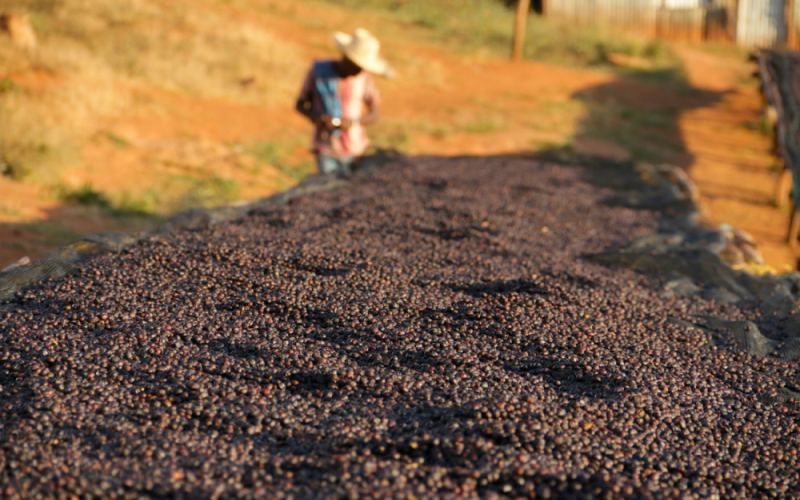
How Do Natural and Washed Processing Methods Shape Coffee Flavor: The Core Differences in Green Coffee Processing as Seen Through a Huakui Comparison
The same coffee beans, whether processed by the natural or washed method, can end up tasting completely different in the cup. Starting from the pectin-retention mechanism of traditional natural processing, this article walks through the complete washed-method workflow—from flotation, depulping, and fermentation to washing—and, by comparing Front Street natural Huakui with Front Street washed Huakui, analyzes how the two processing methods typically express themselves in aroma, mouthfeel, and body. It also explains how factors such as drying time, fermentation style, and drying conditions influence the final flavor direction, helping coffee lovers understand more systematically the decisive role processing methods play in coffee quality. [more…]
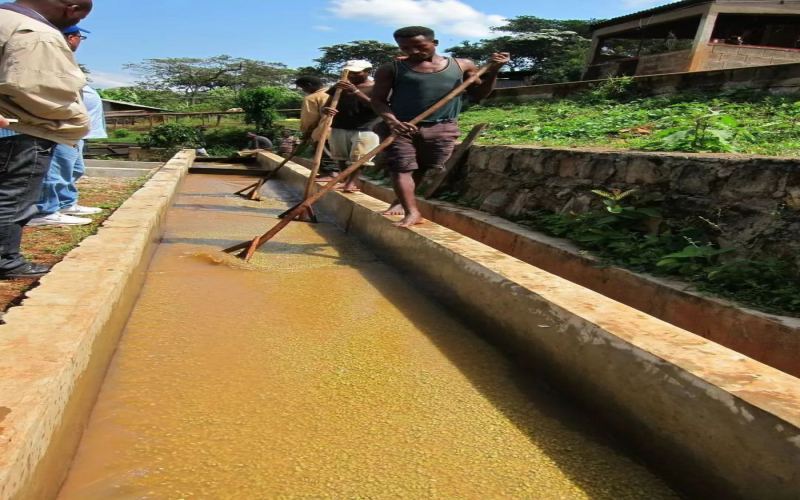
A Comprehensive Analysis of Kenya's Double Washed Process: Operational Workflow, Flavor Changes, and Comparison with K72 and Dry Fermentation
As one of the most traditional green bean processing methods, the washed process significantly enhances coffee quality and cleanliness through its depulping and washing steps, making it highly favored by enthusiasts. With the rise of the specialty coffee wave, new terms such as double washed, K72 washed, and dry fermentation washed have emerged endlessly—how exactly do they differ from traditional washing? From the perspective of Front Street, this article first traces the historical origins and procedures of traditional washing, then delves into the origins, operational details, and flavor expression of Kenyan double washing, and further introduces the characteristics of K72 washed and dry fermentation washed, helping readers understand how variables such as soaking time and number of soaks in the fermentation stage shape the final flavor of coffee. [more…]

A Complete Guide to Yirgacheffe Coffee Beans: Terroir, Processing Method Differences, and a Comparison of Washed vs. Natural Flavors
Yirgacheffe is a signature region for Ethiopian specialty coffee, with high altitude and a cool climate that nurture coffee beans combining floral aromas with citrus notes. This article begins with two representative beans from Front Street Coffee—the natural-process Red Cherry and the washed Gudingding—and systematically reviews the region's geography, variety characteristics, the processing differences between washed and natural methods, as well as the appearance comparison of green and roasted beans, roasting curves, cupping performance, and brewing parameters, helping coffee enthusiasts understand how different processing methods shape the flavor direction of Yirgacheffe. [more…]
Emerald Estate Red Label Geisha Natural vs. Washed Processing Comparison: Flavor Differences, Plot Characteristics, and Pour-Over Performance
Panama's Hacienda La Esmeralda is a benchmark in the specialty coffee world, and its Red Label Geisha is especially highly sought after. This article compares two Red Label Geishas—Front Street Coffee's Natural Red Label Geisha and Front Street Coffee's Washed Red Label Geisha—from the renowned Canas Verdes and Jaramillo plots respectively. The natural process gives the beans rich fruity aromas and sweetness, while the washed process brings clean, bright fruit acidity and floral notes. The article examines the estate's history, grading system, plot terroir, processing methods, green bean appearance, and cup profile and pour-over flavors one by one, documenting brewing parameters and tasting impressions in detail to help coffee lovers gain a deeper understanding of the stylistic differences of Geisha of the same grade under different processing methods. [more…]
Ethiopian Natural Yirgacheffe: Aricha G1 Flavor, Regional Origins, and Processing Method Comparison
Yirgacheffe is one of Ethiopia's most representative specialty coffee regions, famous for its citrus, floral, and tea-like notes. This article focuses on Front Street Coffee's Natural Yirgacheffe Aricha G1, outlining its regional origin, the meaning of its name, and its flavor characteristics, while comparing it with the washed Front Street Coffee Blue Nile G1, to help readers understand the unique charm of natural Yirgacheffe. The article also introduces the history of Yirgacheffe, from being planted by monks to later being managed by farmers and cooperatives, as well as the terroir conditions of coffee villages such as Misty Valley, Idido, and Hafursa. The dried blueberry aroma, honey-brown sugar sweetness, and fruity tea finish brought by the natural process are the core highlights of this bean. [more…]

Comprehensive Comparison of Mandheling Coffee and Blue Mountain Coffee: Analysis of Origin, Processing Methods, Green Bean Characteristics, and Pour-Over Flavor Differences
Mandheling and Blue Mountain are often regarded as the two great representatives of full-bodied coffee, but their styles diverge sharply—the former is intense and aromatic, the latter balanced and sweet. From the perspective of Front Street Coffee, this article systematically sorts out the specific differences between Jamaican Blue Mountain and Indonesian Golden Mandheling in terms of geographical terroir, processing methods, green bean appearance, and cupping flavors. Blue Mountain comes from the high-altitude volcanic soil of a Caribbean island and uses the washed process; Golden Mandheling comes from Sumatra, where the wet-hulled method gives it its unique character. The article also includes Front Street Coffee's pour-over comparison parameters and flavor notes to help coffee enthusiasts more clearly understand the essential differences between these two classic coffees. [more…]
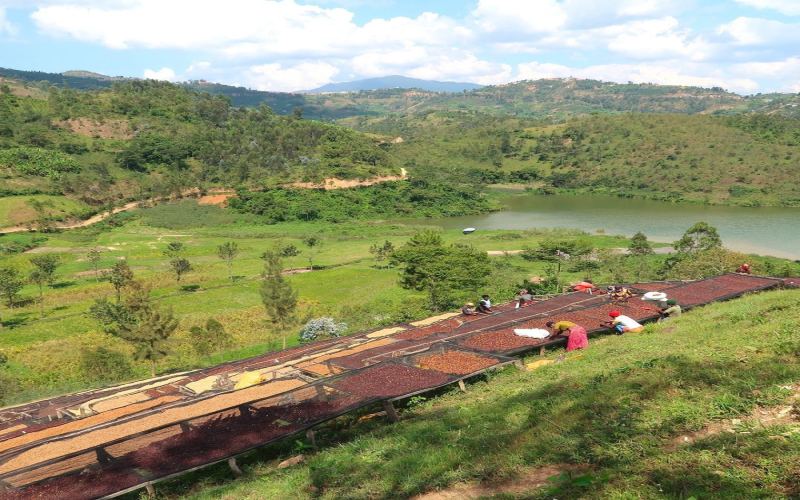
Yirgacheffe Buying Guide: Flavor Comparison of Washed and Natural Processing Methods in the Sidama Region and Front Street Coffee's Daily Bean Recommendations
Yirgacheffe, as a classic representative of floral and fruity acidity flavors in specialty coffee, has seen its producing region's processing methods evolve in ways that profoundly influence coffee quality. From the rough natural sun-drying of the early days to the introduction of the washed technique in 1972, Yirgacheffe gradually revealed a clean, translucent lemon-citrus character. This article will guide you through the core differences between the washed and natural processing methods, introduce the background of Ethiopia's native "Heirloom" variety, and recommend three high-value Yirgacheffe everyday beans from Front Street Coffee, including washed Yirgacheffe, natural Red Cherry, and washed Yirgacheffe Gudingding, along with practical brewing parameter suggestions to help coffee lovers easily get started with fruity-acidity specialty coffee. [more…]